Benefits of Orgasm and Its Side Effects: What the Evidence Says
Are orgasms good for you? We grade the health benefits of orgasm by evidence strength, explain side effects like headache after orgasm, and ask how often is healthy.

General education, not medical advice. If something here worries you, talk with a clinician.
Table of Contents
Most claims about the benefits of orgasm rest on surveys of what people believe, not on tests of what changed in their bodies. One claim has solid long-term data behind it: men who ejaculate often have a lower rate of prostate cancer, though the studies show a link rather than a cause. Better sleep and a short lift in mood are plausible and widely reported. Pain relief is mixed. The idea that orgasms tone the pelvic floor or save a relationship is mostly repeated online.
So are orgasms good for you? For most adults they are safe and pleasant, with modest upsides. Most side effects are mild and short, though a few rare ones can last for days. The one to take seriously is a sudden, severe headache at orgasm, which needs a doctor right away.
Below, each popular claim gets a grade, then come the after-effects and the question of how often.
The claimed benefits of orgasm, graded by strength of evidence
The table rates each health benefit of orgasm by the kind of study behind it. The grades are this site’s editorial judgement, explained below the table, not a formal GRADE assessment. The prostate claim scores best, and only one claim reaches “moderate”.
| Claimed benefit | What the evidence shows | Strength |
|---|---|---|
| Sleep | Orgasm (survey): 70.8% of 778 adults felt they slept better after partnered orgasm. Sexual activity (2025 pilot, 14 people): fewer awakenings in the night on a home sleep monitor | Low: self-report plus two small measured studies |
| Mood and stress | Orgasm: dopamine and oxytocin rise around it, so a short calming effect is plausible | Low: plausible mechanism, few outcome studies |
| Pain relief | Sex during a headache attack: 60% of migraine patients improved, but a third got worse | Low: one clinic questionnaire |
| Prostate health | Ejaculation: men with 21 or more a month had a 31% lower prostate cancer risk than men with 4 to 7 | Moderate: large cohort, association only |
| Pelvic floor | Pelvic floor muscles work harder during orgasm, but studies test whether training them helps orgasm, not the reverse | Very low: the evidence runs the other way |
| Relationship satisfaction | Sex frequency: happiness rose with sex up to about once a week, then levelled off | Low: correlation, and one experiment found no effect |
| Heart health | Sex frequency: among 4,565 adults with high blood pressure, sex 12 to 51 times a year was linked to lower death rates than under 12 | Low: one observational group |
How the grades were assigned
The studies did not all measure the same thing. Some asked about orgasm, some about ejaculation and some about how often people had sex, with or without orgasm. The first words in each row of the table name what was actually measured, so a row about sex frequency is only indirect evidence about orgasm.
“Moderate” means more than one large group of people was followed for years, and the link held in each after other factors were counted. “Low” means a survey, a single study (even a well-adjusted one), or a believable mechanism with little outcome data. “Very low” means theory or a claim that the research does not address.
Nothing here reaches “high”. That grade would need randomised trials, where people are assigned more or fewer orgasms and then tracked. Such trials barely exist, so almost every claim stays at “linked to”.
A low grade does not make a claim false. It means a study cannot yet separate a real effect from wishful reporting or from other differences between people.
Why the evidence on benefits of female orgasm is thinner
The strongest data come from men, because the prostate cohorts enrolled only men. Women fare better in the sleep research. The large sleep survey was 57% female and found no gender difference when sex included an orgasm. Mood and pain claims rest on mechanisms that apply to any body.
So the benefits of female orgasm are less measured, not shown to be smaller. Thin data is a gap in the research, and nothing in it suggests women gain less.
What the studies behind each claim actually measured
Each claim above sounds tidy in a headline. The studies behind them are messier, and knowing what they measured tells you how far to trust them.
Sleep: strong belief, little lab data
Many people say orgasm helps them sleep, and the surveys agree. In an Australian online survey of 778 adults, 70.8% felt their sleep quality improved after orgasm with a partner. After solo orgasm the figure was 54.1%. Only 3 to 6% said they slept worse after partnered sex with orgasm. A smaller survey of 53 adults with insomnia found that 75% slept better after sex or orgasm before bed.

The weak spot is measurement. Both surveys asked people how they slept, and the insomnia survey’s lead author called his data quite preliminary. Two small studies have recorded sleep with equipment. An older one tested just 10 people and found no clear differences in how fast or how long they slept across its three conditions. A 2025 pilot study from the same Australian group followed 14 healthy adults in cohabiting couples for 11 nights with a portable sleep monitor (a headband that records brain activity). After either masturbation or partnered sex, people woke less during the night and spent a larger share of their time in bed asleep than after no sex. They did not fall asleep faster or sleep longer, and their own ratings of sleep did not change.
That is a real measured signal, but a small one. The pilot measured sexual activity rather than orgasm itself, it had 14 healthy sleepers, and its own authors call for larger studies that include people with sleep problems. So the sleep claim is a little better supported than surveys alone, not proven. Why it might happen is also open: prolactin and oxytocin rise after orgasm, but no study has shown that they are what changes sleep.
Prostate health and ejaculation frequency
This is the best-studied claim. The Harvard Health Professionals Follow-Up Study asked 29,342 men aged 46 to 81 how often they ejaculated, counting sex, masturbation and wet dreams. Men reporting 21 or more ejaculations a month had a 31% lower risk of prostate cancer than men reporting 4 to 7.
A 2016 follow-up of nearly 32,000 men over 18 years found a smaller effect. Men who ejaculated more than 20 times a month were about 20% less likely to develop prostate cancer. An Australian study of 2,338 men pointed the same way.
These are associations built on what men remembered and reported. Men who ejaculate often may differ in health, diet or screening habits. Treat the finding as reassurance that frequent ejaculation is not harmful, rather than a monthly target.
Pain relief helps some headaches and worsens others
The clearest data come from a questionnaire sent to 1,000 headache clinic patients. Among migraine patients who had sex during an attack, 60% improved, yet 33% got worse. Cluster headaches went the other way: 37% improved and 50% worsened.
The usual explanation is that orgasm releases endorphins, the body’s own painkillers. Medical News Today notes that scientists are still unsure how any relief works. Claims that orgasm eases period cramps lean on the same theory. Daye, which sells period products, admits that link is not fully understood.
Mood, stress and relationship satisfaction
Dopamine and oxytocin rise around orgasm, and both are linked to reward and calm. That makes a short calming effect believable, though few studies have measured it directly. Lasting change is harder to show.
The research mostly tracks how often couples have sex, not orgasms as such. A study of 16,000 adults linked more frequent sex with higher life satisfaction. Data from over 25,000 people found well-being rose with sex up to once a week, with no extra gain beyond that. When researchers asked couples to double how often they had sex, happiness did not rise. Satisfaction with sex predicted happiness better than frequency did.
Pelvic floor: the arrow points the other way
You will often read that orgasms tone the pelvic floor. The research looks at the reverse question. A review of 33 studies found pelvic floor muscles are more active during arousal and orgasm. It also found that pelvic floor exercises helped some women with orgasm difficulties.
Older trials were less encouraging. One found that exercise built pelvic floor strength but did not make orgasms more frequent. Neither source describes a test of whether having orgasms strengthens the muscles. For now, that claim is theory.
Why healthier people may simply have more orgasms
Almost every study here compares people who have more sex with people who have less. Healthy people tend to have more sex in the first place. A man with heart disease or depression may have less sex and also worse health, without one causing the other. Happiness can drive sex as easily as sex drives happiness. So when a headline says orgasms “prevent” a disease, look for the word “associated” in the study itself.
Side effects of orgasm and what can happen post orgasm
For most people, the side effects of orgasm are mild and short. A few are common enough to expect, one is rare but disabling, and one kind of headache needs urgent attention.
Tiredness and the post-orgasm slump
Feeling heavy, relaxed or sleepy afterwards is normal. Prolactin, a hormone that rises after orgasm, is often named as a reason, though that link has not been proven in people. Cleveland Clinic lists feeling satisfied, relaxed or tired among the usual ways the body settles back down. This fades on its own. For more on how the body returns to baseline, see what happens during an orgasm.
Sadness, tears or irritability after sex
Some people feel sad, anxious, tearful or irritable after sex they wanted and enjoyed. The term for this is postcoital dysphoria, often shortened to PCD. In a study of 222 female university students, 32.9% had felt it at least once and 10% in the past four weeks. Men get it too. WebMD cites a study in which 41% of men had PCD at least once and 3% had it regularly.
The cause is unclear. PCD was linked to psychological distress in the student study, though that explained only a small part of it. It is not a sign that the relationship lacks closeness. An occasional episode is common. If it happens most times or ties into anxiety, depression or past trauma, a therapist can help.
Headache after orgasm
A headache after orgasm, or during sex, comes in two main forms. One is a dull ache in the head and neck that builds as excitement rises. The other is a sudden, severe, throbbing pain just before or at orgasm.
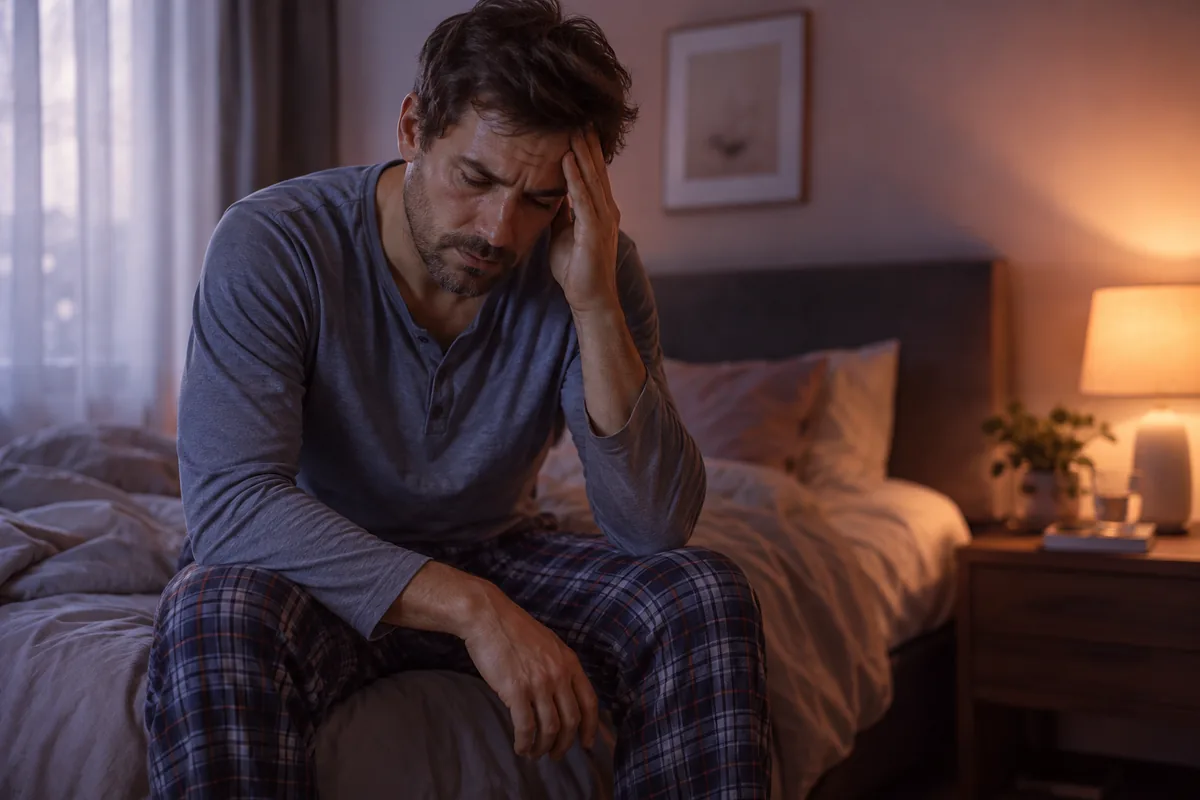
These headaches usually last several minutes, though some linger for hours or even 2 to 3 days. They often come in clusters over a few months, then stop for a year or more. Men and people with migraine get them more often. Most have no dangerous cause. A sudden one, though, can come from a bleed or a weak spot in a brain artery, so it needs checking even if it fades.
Post orgasm illness syndrome (POIS)
Post orgasm illness syndrome is rare. Symptoms start after ejaculation and can include headache, brain fog, flu-like feelings, burning eyes and deep fatigue. To meet the definition, they must come back consistently and last 2 to 7 days before easing on their own.
In a clinic group of 37 men, symptoms began about 1 hour 22 minutes after ejaculation and lasted 4.7 days on average. The cause is still unknown. Ideas include a reaction to one’s own semen and problems in the immune or nervous system. Because it is so uncommon, many doctors have not seen it, and a urologist or sexual medicine specialist is the best place to start.
Cramping after orgasm
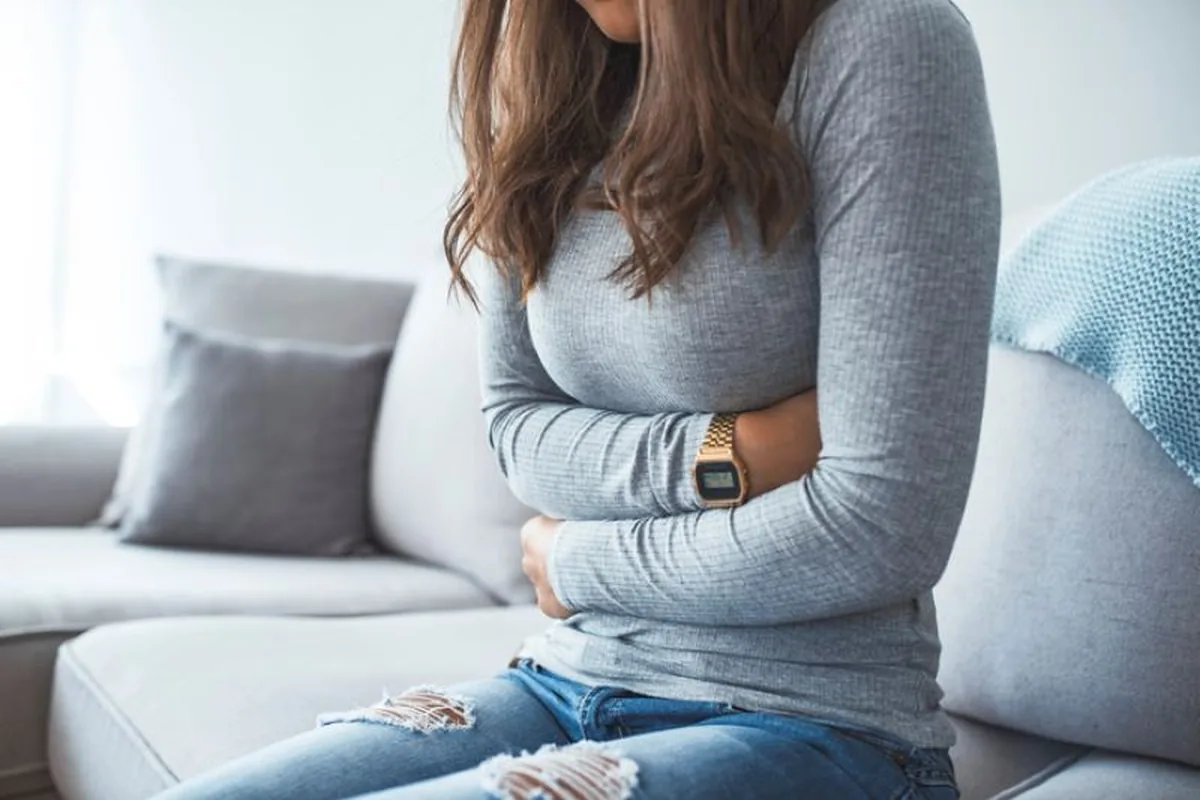
The uterus and vagina often contract during orgasm. Those contractions can leave a crampy ache low in the belly, much like mild period pain. Mild cramps that settle with rest are usually nothing to worry about. Cramps that are severe, keep coming back or worry you are worth raising with a gynecologist, who can look for causes such as endometriosis. Bleeding outside your period should be checked by a doctor too.
When a post-orgasm symptom needs a doctor
Rest is all most after-effects need. The table shows what is usually fine and the sign that means you should get checked.

| After-effect | Usually fine when | See a doctor when |
|---|---|---|
| Tiredness | It passes after rest or a night’s sleep | Exhaustion or flu-like symptoms follow every ejaculation for days |
| Low mood after sex | It happens once in a while, as it does for many people | It happens most times or links to anxiety, depression or past trauma |
| Headache | You have had it checked before and it matches the same pattern | It is your first, it starts abruptly, or it is severe |
| Cramping | It feels like light period pain and settles with rest | It is severe, keeps coming back or worries you, or comes with bleeding outside your period |
A sudden, severe headache at orgasm counts as an emergency until a doctor rules out a bleed. Get help right away if it comes with fainting, vomiting, a stiff neck or other nerve symptoms such as weakness. The same goes for severe pain lasting more than 24 hours. Doctors usually check with a brain scan, even when the headache has already eased.
How often should you orgasm? There is no target number
There is no medically recommended number. No study has found a dose of orgasms that keeps you healthy, and no health body sets one. A healthy frequency is one that feels good, fits your life and causes no pain or distress.
Why the prostate figure is not a prescription
The prostate studies are the closest thing to a number, and they are often misread as one. They compared groups of men and found that those reporting the most ejaculations had less prostate cancer. They did not test whether a man who raises his own count lowers his own risk. The counts were also self-reported, which leaves room for error. A figure linked to an outcome across thousands of people is a different thing from a dose that works for you.
What frequency research does show
The happiness research found gains with more sex up to about once a week, then no further rise. That suggests more is not always better, even on its own terms.
Orgasm also depends on the kind of sex. In a US national survey, 64% of women reported an orgasm at their most recent sexual event. By contrast, about 85% of men said their partner had one. Women were more likely to orgasm when sex included a variety of acts, including oral sex. Any rule about “how often” ignores that gap, along with differences in health, stress and stage of life.
Going without orgasms is not a health risk either. If you want to learn what works for your body, the guide on how to have an orgasm covers that in more depth.
Frequently asked questions about orgasm benefits and side effects
Is it healthy to climax every day?
For most adults, yes, if it feels good and causes no soreness. No study shows that a daily orgasm harms health. Near-daily ejaculation is linked with lower prostate cancer risk in men, but no trial has shown that a daily orgasm causes more benefit than a less frequent one. It becomes a concern only if it causes pain, crowds out work, sleep or relationships, or feels out of your control. Skipping days is equally healthy.
Is ejaculating 3 times a day a lot?
It is a lot for many people, but nothing shows it is harmful in itself. The large prostate study found lower, not higher, cancer risk in its most frequent group, 21 or more ejaculations a month. It did not look separately at counts as high as three a day, so it cannot speak to that range directly. Watch for soreness or chafing, and pay attention if every ejaculation brings days of flu-like illness, which points to POIS. Otherwise, the right number is the one that suits you.
What are the benefits of female orgasm?
Largely the same ones claimed for anyone. Women in the big sleep survey reported better sleep after orgasm about as often as men did. The hormone changes around orgasm, such as rises in oxytocin, are not limited to men. What is missing is long-term data, because the largest cohort studies enrolled men. Less data is not the same as less benefit.
Why do I feel sick or exhausted after orgasm?
Ordinary tiredness after orgasm is common and passes with rest; hormones such as prolactin may play a part. Feeling ill is different. If headache, brain fog, fatigue or flu-like symptoms follow ejaculation each time and last days, that pattern fits post orgasm illness syndrome. See a urologist or a sexual medicine specialist and describe the timing.
Are orgasms healthy if you rarely have them?
Rare orgasms are not a health problem. Touch, closeness and pleasure are worth having with or without a climax, and nothing in the research makes orgasm a health requirement. Trouble reaching orgasm matters only if it bothers you. Medications, health conditions and past experiences can all play a part, and a provider can help. For what it feels like when it does happen, see what does an orgasm feel like.
Weighing orgasm’s benefits against its side effects
Is orgasming good for you? On balance, mildly so. Orgasm is safe for most adults, many people sleep and feel better after it, and frequent ejaculation is linked with lower prostate cancer risk. Past that, the evidence thins out quickly. Claims about the heart, the pelvic floor and lasting stress relief rest on single studies, correlations or theory.
Two questions help with any new claim. Did the study follow people over time, or ask them once? And could healthier, happier people simply be having more orgasms?
Side effects are usually brief: sleepiness, a low mood now and then, mild cramps. The exceptions are symptoms that last for days and, above all, a sudden severe headache at orgasm, which needs a doctor right away. As for how often, there is no target. Enjoy orgasms if you want them, and skip them without worry if you do not.
Related reading
- What Happens During an Orgasm? Body and Brain, Phase by Phase
- How to Have an Orgasm: Learning Alone, With a Partner, and What Gets in the Way
- What Does an Orgasm Feel Like? Signs and Why It Varies
Sources
- Sex and Sleep: Perceptions of Sex as a Sleep Promoting Behavior in the General Adult Population - Frontiers in Public Health (Lastella, O’Mullan, Paterson and Reynolds)
- What is an Orgasm? Types & Health Benefits - Cleveland Clinic
- Sex and headaches: What are the facts? - Medical News Today
- Ejaculation frequency and prostate cancer - Harvard Health Publishing
- The Role of Pelvic Floor Muscles in Women’s Sexual Function - International Society for Sexual Medicine (ISSM)
- Does Having More Sex Make Couples Happier? - Psychology Today (David W. Wahl, Ph.D.)
- Increased Frequency of Sexual Activity May Have Protective Effects on Cardiovascular Health - Sexual Medicine Society of North America (SMSNA)
- Sex before bed has more positive impact on sleep vs. medication in adults with insomnia - Healio
- Ejaculation and a Reduced Risk of Prostate Cancer? - National Foundation for Cancer Research
- Do Orgasms Help Relieve Period Pain? - Daye
- Do pelvic floor exercises improve sexual arousal and orgasm in women? - Herman & Wallace Pelvic Rehabilitation Institute (Sagira Vora, PT)
- After Orgasm: A Range of Reactions - Sexual Medicine Society of North America (SMSNA)
- The prevalence and correlates of postcoital dysphoria in women - International Journal of Sexual Health (Bird, Schweitzer and Strassberg, via QUT ePrints)
- What Causes Sadness After Sex? The Impact of Mental Health - WebMD
- Sex headaches - Mayo Clinic Staff (via Beacon Health System library)
- What is Postorgasmic Illness Syndrome? - Sexual Medicine Society of North America (SMSNA)
- Can Sex Reduce Menstrual Cramps? - Sexual Medicine Society of North America (guest editorial by Mia Barnes)
- Key Findings: National Survey of Sexual Health and Behavior - Indiana University Bloomington
- Sleep on it: A pilot study exploring the impact of sexual activity on sleep outcomes in cohabiting couples - Sleep Health, 2025 (Lastella and colleagues), via PubMed